
McDanel Advanced Materials offers differentiating capabilities for the Aerospace industry.
The aerospace industry routinely builds products designed to operate under some of the most extreme conditions on earth—and off of it. This includes not just commercial aircraft, but military aircraft, hypersonics, satellites, even deep space probes. McDanel components have been used across a wide range of applications in the aerospace industry, but our versatility has at times made it difficult for our customers to know how we can help them.
To that end, this article will explore some of the key areas where our advanced material capabilities have been in demand in the aerospace industry, as well as highlight potential applications for customers searching for a partner who can help them innovate.
Optical Windows for Aerospace
The growth of computer-operated systems is driving a demand for more sensing capability at the source of heat or pressure. As AI is integrated into monitoring and control systems, more and more sensors and cameras are needed to feed it the highest quality data with the least delay. For example, this data can be used to monitor engine health or to optimize for the most efficient performance.
At the same time, engines themselves are becoming more compact as engineers work to reduce their size and weight while also increasing their power. The result is that sensors and cameras are getting closer to the extremely hot environment within the engine.
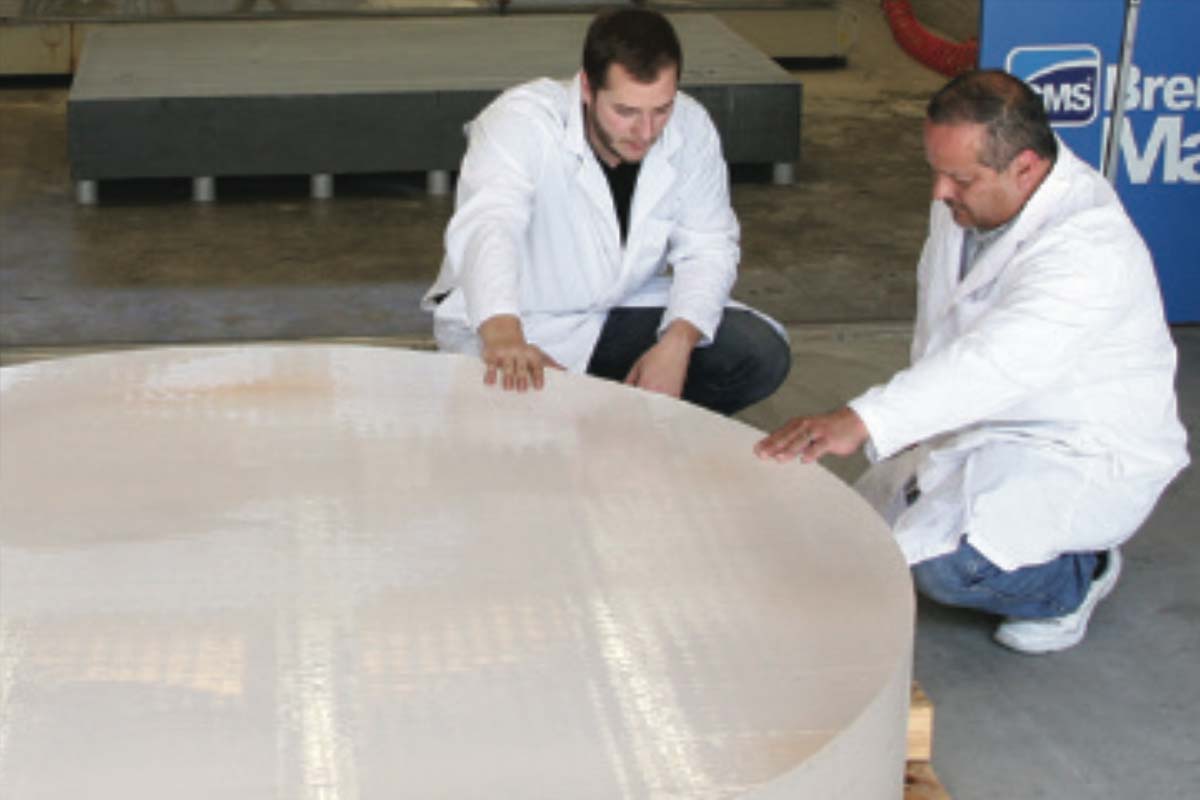
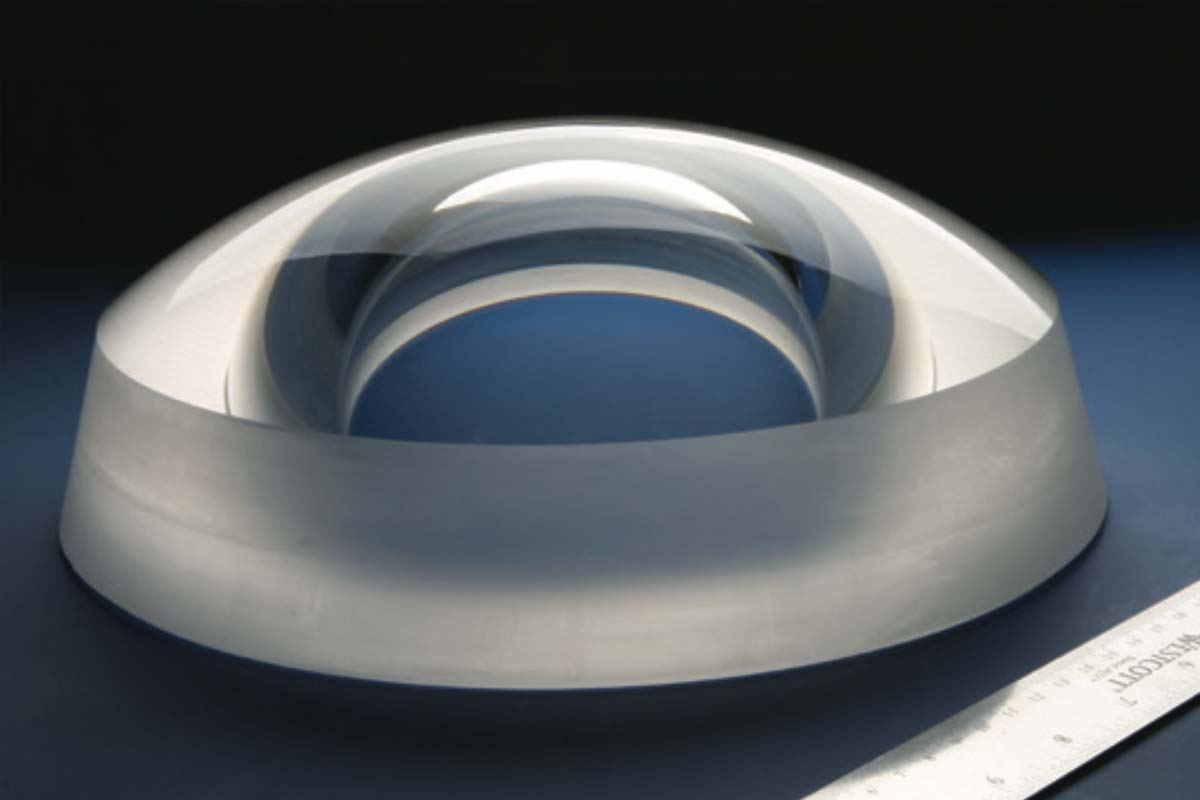
Fortunately, McDanel optical windows excel under these extreme, edge-case conditions. We work with pressures up to 50ksi, temperatures up to 1000°C, and can also develop solutions that are resistant to harsh chemicals and UV rays. Our designs are customer-driven, so our engineers can work directly with you to understand your needs and develop a solution.
Advanced Ceramics for Aerospace
Ceramics provide critical advantages for aerospace in three design areas:
- Electrical Management. Because ceramic does not conduct electricity, it is often used as an insulating component to contain or direct an electric current.
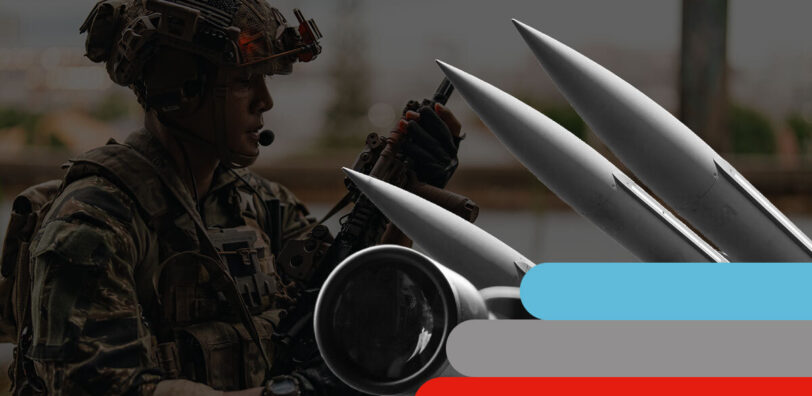
- Thermal Management. Currently, one of the most pressing needs for ceramics in aerospace is in the realm of hypersonics. When aircraft and missiles are traveling at these speeds, the materials must withstand intense heat. Under these conditions, metal components are more likely to fail, making ceramics the clear choice.
- Wear Resistance. When components are rubbing against each other, metal and plastic wear down more quickly than ceramic. In aerospace, where components are often operating at high speeds, the combined wear resistance and thermal tolerance of ceramics can be irreplaceable.
McDanel Ceramic Materials
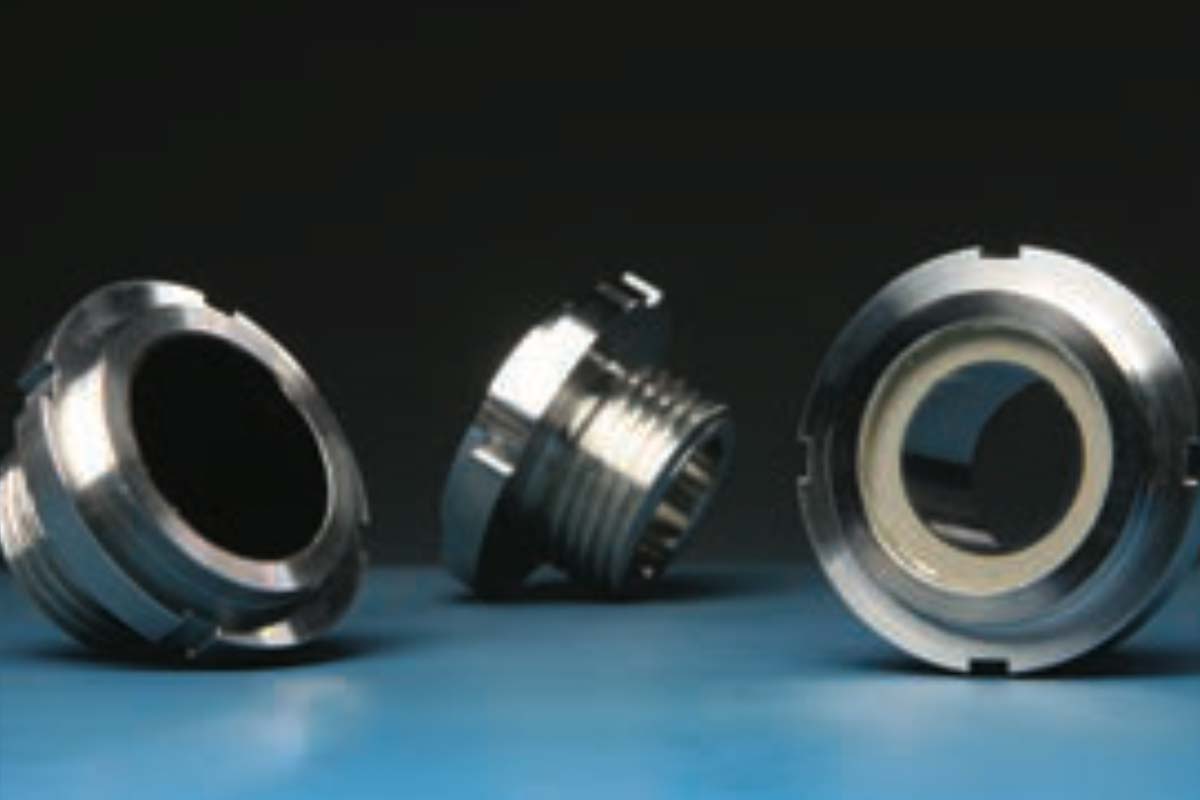
McDanel works with a range of base ceramic powders, which we can customize to achieve the properties needed for the application. Choosing the right material requires balancing the specific properties to determine which meet the operating conditions for their use case. Our engineers consult with customers to determine the ceramic that will best meet their needs. Our ceramics include:
- Alumina: Up to 1,750 °C + in most environments including Oxygen. . Best for applications where both high heat and oxidization are a concern. We are capable of delivering fine grained alumina from between 96% to over 99.9% purity.
- Yttria-Stabilized Zirconia: Greater than 2,200 °C in most environments including Oxygen. Zirconia has a higher heat tolerance than alumina while also having oxygen conducting properties used for sensors and pumps.
- Sialon: Rapid Temperature Changes. While sialon can oxidize at temperatures above 1000°C, it does possess excellent thermal shock resistance, wear resistance, mechanical strength, and corrosion resistance making it the best choice for applications where extreme properties are needed.
- Mullite: Low thermal conductivity. For lower temperature applications mullite’s low thermal conductivity provides insulative properties for applications such as multizone furnaces and insulators for non-platinum-based sensors.
Precision Glass for Aerospace
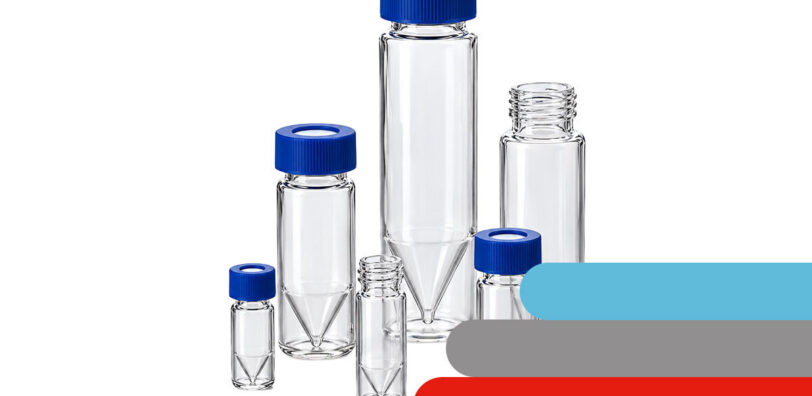
Our glass division works with both silicate and borosilicate glass, and we specialize in hermetic seals. For our aerospace customers, we see highest demand in three areas:
- Feedthroughs. Also called “headers,” these are used when electricity needs to pass through a hermetically sealed barrier. Our glass-to-metal sealing capabilities in this area are industry-leading.
- Flameout detectors. These are a critical safety feature used to detect the presence of a flame in a jet engine, and which warns crew if the flame goes out to prevent an unexpected accumulation of fuel. I think these are the same thing as the “feedthroughs”. Combine into one bullet.
- Flow sight. If you have a fluid line that requires observation, a flow sight provides that window. If the flow system is operating under pressure or temperature, then the seal between the glass sight tubing and the rest of the piping system needs to meet those conditions without leaking or exploding.
While much of our current work lies in these areas, our glass capabilities are much broader. If you have need of a custom glass part, our engineers are happy to talk through specifications with you to determine if we are a good fit.
McDanel co-engineers products based on customer specifications.
Every manufacturer understands the tradeoffs between cost, speed and quality. Commodity products require engineers to make changes to their design to fit that product. Custom designed components require fewer compromises.
This is where McDanel’s experience in aerospace offers a competitive advantage. We work engineer-to-engineer with our customers to design parts directly to spec. That means they won’t need to design their product around our widget; we listen to what they need and design a solution around their system.
Whether you’re looking for advanced material solutions in technical ceramics, precision glass, or optical windows, we can build to your requirements. Contact us if you would like to discuss your project directly with our engineering team.