
McDanel’s high-recovery vials deliver a competitive advantage for applications where minimizing dead volume and preserving sample integrity are key concerns.
Precision medicine is a field that operates on small sample sizes, almost by definition. Whether these samples are drawn directly from a patient or synthesized within a lab environment, the low volumes involved leave little room for waste. This is doubly true for samples that are expensive or hard to obtain.
With such precious material at stake, researchers and medical professionals within the life sciences industry require storage and retrieval solutions that can both preserve delicate, rare, or costly liquids from contamination or spoilage while also preventing loss due to dead weight or poor retrieval processes.
McDanel’s high recovery vials provide an optimal solution for both challenges. Our vials are made from highly inert Type I borosilicate glass to preserve sample integrity. Additionally, the design of our vials allows for maximum retrievability, down to the last microliter.
These qualities make McDanel an ideal partner in applications where limited volume samples, assay reproducibility, and sample preservation are concerns. In this article, I will detail four areas within the realm of diagnostic medicine where high recovery vials provide a differentiating advantage over standard designs.
1. Maximizing Ultralow-Volume or High-Value Material
In cases where samples or reagents are plentiful and cheap, efficiency outweighs concerns about waste. However, the situation is reversed when the sample material is scarce, expensive, or otherwise hard to obtain. Additionally, point-of-care diagnostics are advancing techniques in which only small fluid samples are required, making sample collection less invasive for patients.
Examples of ultralow-volume or high-value materials include:
- Gene sequencing reagents, such as nucleotides, polymerases, and flow cells.
- Synthesized genetic samples, including gRNA used in CRISPR gene therapies.
- Patient samples, including cerebrospinal fluid, neonatal blood samples, tears, nasal fluid, and samples collected from blisters or wound extrudates.
When these samples are collected in a flat-bottomed or rounded vial, a portion of the sample is left behind as dead volume. However, our high retrieval vials are manufactured with a V-shaped depression in the bottom to collect fluid samples where they can be more easily collected.
In automated systems, this allows an autosampler needle to retrieve almost 100% of the sample or reagent. It is also helpful in manual sample handling, in which it can be frustrating or inefficient for a person to chase a trace sample of a liquid around the bottom of a vial.
2. High-Throughput Screening and Bioanalysis
Autosamplers must frequently pull from the same vial multiple times over the course of a screening or bioanalysis. To do so without the risk of drawing air, there has to be a guarantee of sufficient reachable volume in the base of the vial.
In flat-bottomed or rounded vials, ensuring that there is sufficient sample liquid means allowing for a higher level of dead volume. However, high recovery vials maintain better injection-to-injection reliability, eliminating inconsistencies and improving assay results.
3. Maintaining Purity and Preventing Nonspecific Binding
High recovery vials prevent sample loss by eliminating dead volume, but this is not the only way they prevent waste. Certain sample materials, such as proteins or genetic medicines, are highly sensitive, and can easily degrade or break down under poor conditions.
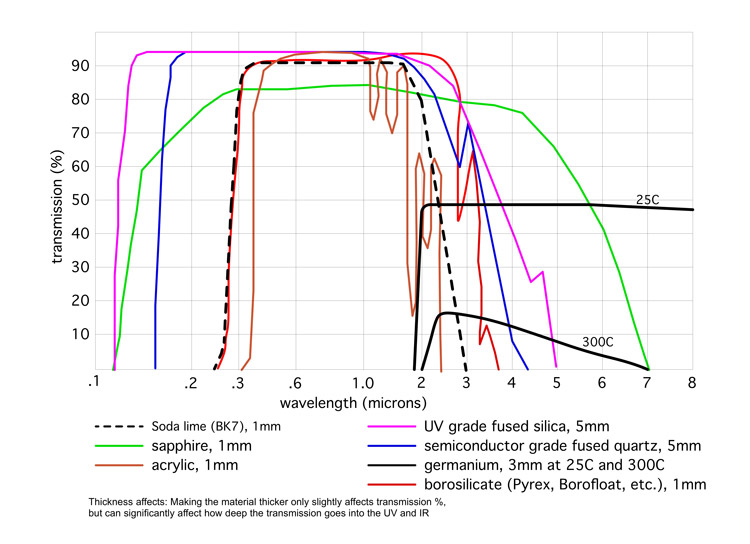
McDanel’s vials are manufactured from Type 1 borosilicate glass, a highly inert material that won’t leach contaminants or alter the pH of sensitive biological buffers. We maintain cGMP procedures and package vials in environmentally controlled clear rooms.
Some samples are prone to sticking to the walls of a glass chamber (known as nonspecific binding or nonspecific absorption), which can make retrieval difficult. If necessary, our high recovery vials can also be silanized—a surface treatment which makes the interior glass hydrophobic—to reduce nonspecific absorption.
4. Formulation and Stability Testing
While it is tempting to imagine that all samples will be stored in ideal conditions at all times, this is far from the working reality. Researchers use stability tests to determine the parameters wherein a sample can maintain its integrity. This includes room temperature, freezing and thawing cycles, shelf life, light exposure, oxidation, and overall benchtop stability.
Examples of substances that require stability testing include:
- Active assay reagents, such as antibodies and antigens, enzymes, nucleic acids, and substrates and chromogens.
- Quality control and reference materials.
- Patient samples, including biological matrices and target analytes.
- Supporting formulation components.
- Extraction and sample preparation reagents.
McDanel vials are precision-engineered with tight-sealing screw threads or crimps, which prevent evaporation and maintain sample integrity, even if a sample is opened and closed multiple times.
McDanel Offers Custom Solutions for Diagnostics OEMs.
McDanel Glass Solutions (formerly Richland Glass) has been a steady supplier of custom vials for the life sciences industry for decades. We are known not only for the quality of our vials, but for our ability to co-develop custom components for automated processes. Our team has worked with OEMs during the earliest design stages to produce vial components built to spec, and we have also taken over vial manufacturing in cases where our customer has needed to switch suppliers.
Because we offer custom solutions, applications for our glass products are versatile and span a range of diagnostic use cases and research areas. Fields where precision glass vials from McDanel provide a key advantage include:
- Clinical proteomics
- Precision medicine biomarker testing
- Therapeutic drug monitoring (TDM)
- Pharmacokinetic (PK) and bioanalytical studies
- Companion diagnostics
- Infectious disease protein biomarker assays
- Oncology biomarker analysis
- Neurology biomarker testing (e.g., cerebrospinal fluid proteins)
- Endocrine assays using LC-MS/MS
- Newborn screening confirmatory testing by LC-MS/MS
If you would like to learn more about our custom vials, you can request a quote through our precision glass division.